
The Schoeni TRENDS lecture is an annual event in memory of Robert F. Schoeni, who founded and organized MiCDA’s TRENDS network for nearly two decades. The TRENDS lecture aims to highlight research on important health-related demographic trends by an emerging scholar.
The 2027 Schoeni Lecture
March 16, 2027. Lecture from 3 – 4:30 pm ET followed by an open networking event with appetizers 4:30 – 5:30 pm.
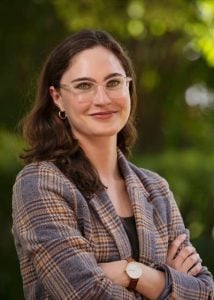
Featuring Leah R. Abrams, PhD., Tufts University, presenting her work on Socioeconomic and Occupational Disparities in Mortality Trends. Dr. Abrams is a population health and aging researcher who works at the intersection of social epidemiology, demography, and health policy. Her research has contributed to understanding drivers of mortality and longevity trends in the United States, as well as the intersections of health with employment and retirement for aging Americans. Her recent work can be found in Proceedings of the National Academy of Sciences, International Journal of Epidemiology, and Social Science & Medicine.
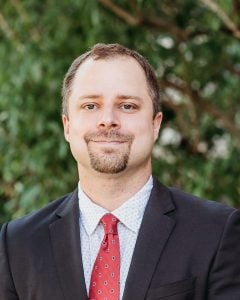
With discussant Ashton Verdery, PhD., Pennsylvania State University. Dr. Verdery is a Professor of Sociology, Demography, and Social Data Analytics at the Pennsylvania State University. His research focuses on kinship and family networks, population aging, and computational social science.
2026
The 2026 lecture featured Mara Getz Sheftel, PhD., Rutgers University, presenting her work: Trends Among the U.S. Latino Immigrant Population: Implications for Older Adult Health and Well-Being. The discussant was Neil Mehta, PhD, University of Texas Medical Branch.
Dr. Sheftel is a demographer and sociologist who leverages life course and health disparities frameworks to study how large-scale social changes intersect with global population aging to impact older adult health in vulnerable populations. Dr. Mehta‘s research interests focus on socioeconomic and racial/ethnic health disparities and the modelling of complex population health dynamics.